

Valentine Science Experiments
Get ready to explore the world of science with a fun and exciting Valentine’s Day experiment! This Valentine Science Experiment uses simple household materials to create a colorful display of bubbles and colors that will fascinate both kids and adults. By performing this experiment, you’ll learn about the properties of liquids and gases, while also practicing your observation skills. Let’s dive in! You may also find Cloud In A Jar Easy Science Experiments For Kids useful.
Why You’ll Love This Science Activity
- Visual Appeal: The vibrant colors create a stunning visual effect that captures attention.
- Engaging Learning: Kids get hands-on experience with science, making the learning process enjoyable.
- Simple Materials: You can find all the necessary supplies at home or in stores, making it easy to set up.
- Scientific Concepts: This activity introduces concepts like density and chemical reactions in a fun way.
- Variations Galore: There are plenty of ways to experiment with colors and materials to enhance learning.

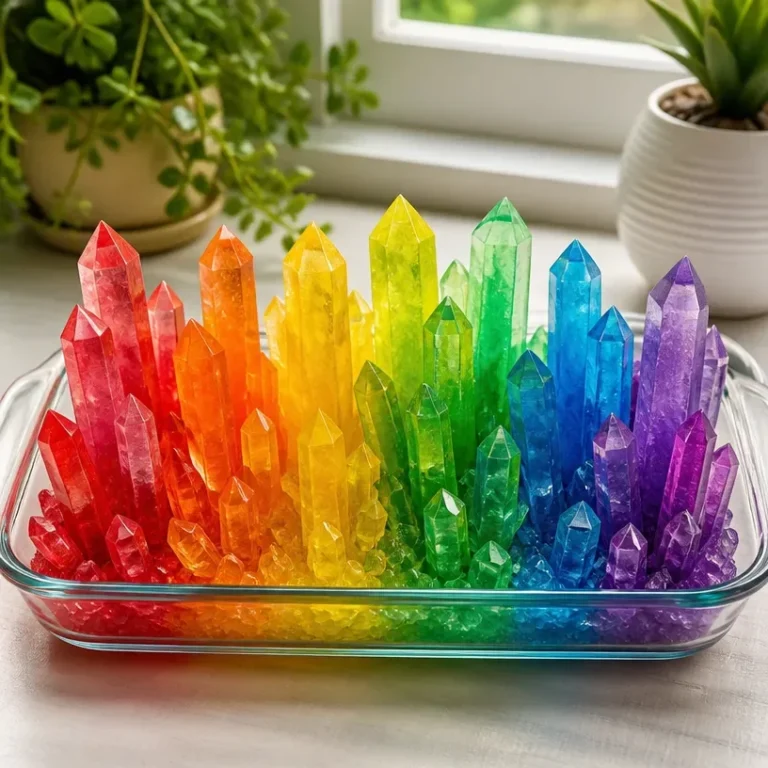
You may also find Rainbow Crystal Garden Science Experiment Kids useful.
Materials You’ll Need
- Clear jar or tall glass
- Vegetable oil or baby oil
- Water
- Food coloring (red or pink)
- Alka-Seltzer tablets or other effervescent tablets
- Small funnel or measuring cup (optional)
- Tray or baking sheet
- Spoon
- Paper towels or cloth
Each of these materials serves a specific purpose, allowing you to create layers of liquid that react to the effervescence of the Alka-Seltzer.

How to Do Valentine Science Experiments
- Place the jar on a tray and fill it three-quarters full with oil.
- In a separate cup, mix water with a few drops of food coloring and stir until the color looks even.
- Carefully pour the colored water into the jar over the back of a spoon to create separate layers.
- Watch the layers settle and observe how they stay separate due to the different densities of the liquids.
- Break an Alka-Seltzer tablet into halves or quarters and drop one piece into the jar.
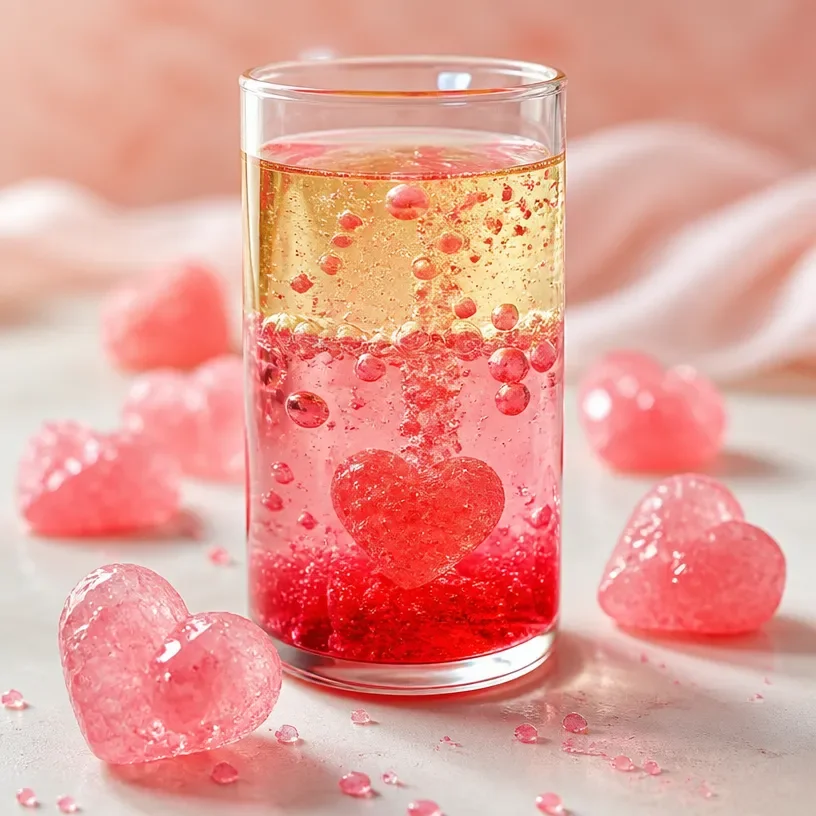
- Observe the bubbles and colored water blobs rising through the oil as a result of the chemical reaction.
- If fizzing slows, add another tablet piece for more action.
- When finished, pour the mixture into the trash and wash the jar with hot, soapy water.
What Happens During the Experiment?
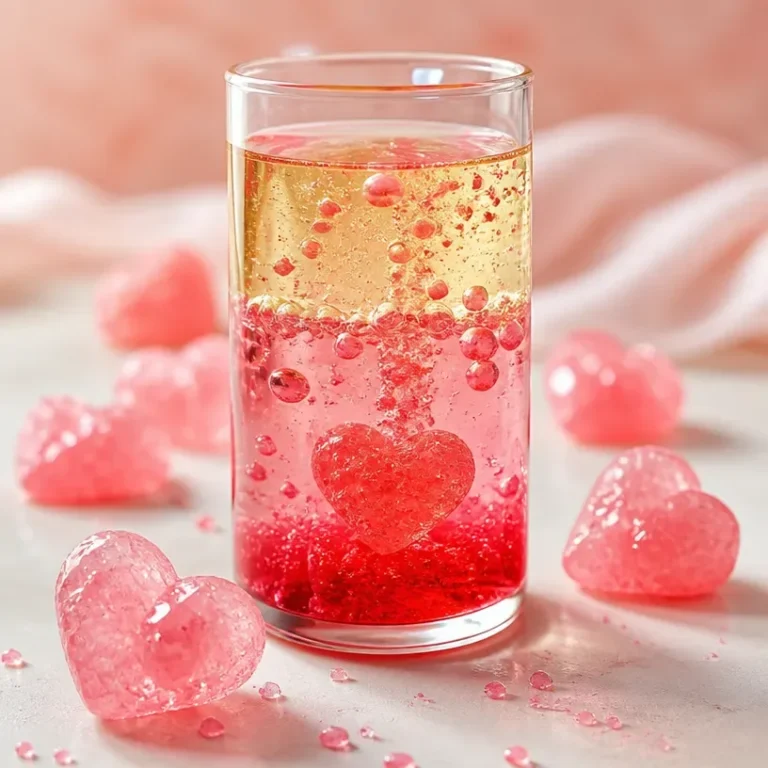
As you conduct the experiment, you will notice that the oil floats on top of the colored water due to its lower density. Once you add the Alka-Seltzer, bubbles form as a gas is released, creating colorful blobs of water that rise and fall through the oil. This visual effect is captivating and is a great way to spark discussions about scientific principles!
How It Works: The Science Explained
In this experiment, you are observing two liquids that do not mix: oil and water. Oil is less dense than water, which is why it floats. When the Alka-Seltzer is added, it reacts with water to create carbon dioxide gas. This gas forms bubbles, which carry the colored water upwards through the oil, creating a fascinating, moving display. These concepts of density and gas release are key aspects of chemistry that you can explore further.
Helpful Tips
- Prepare materials ahead of time to ensure a smooth experiment.
- Use a brightly colored food dye to make the visual effects more pronounced.
- If visibility is an issue, consider using a clear container that is rectangular to maximize observation.
- Monitor the potential mess by using a tray or baking sheet to catch spills.
- Always supervise younger children to ensure safe handling of materials.
Easy Experiment Variations
- Change the food coloring to experiment with different color combinations.
- Adjust the amount of oil or water to see how it affects the density and the reaction.
- Try using different types of effervescent tablets to compare their effects.
Doing This Experiment With Kids
This activity is a wonderful way for children to learn about science with adult supervision. Make sure to explain the importance of careful handling of materials, especially when pouring liquids. You may want to discuss the reason for using a tray to minimize mess and promote a safe learning environment.
What Kids Can Learn
During this experiment, kids can explore concepts such as density, chemical reactions, and gas formation. Encourage them to ask questions about what they observe, such as “Why does the oil float?” or “What happens if we add more tablets?” These inquiries can lead to deeper understanding and critical thinking.
Frequently Asked Questions
1. Can I use other liquids besides oil and water? Yes, you can experiment with other liquids, but be cautious about density differences.
2. What should I do if the fizzing stops? Simply add another piece of Alka-Seltzer to keep the reaction going.
3. How can we make this experiment last longer? Using smaller pieces of Alka-Seltzer can provide a longer-lasting effect, as they dissolve slower.
4. Is there a recommended age for this experiment? This experiment is suitable for various ages but should be done with adult supervision for younger children.
5. Can I use more than one color of food dye? Absolutely! Mixing colors can create beautiful effects and further engage kids in the activity.
Conclusion
Valentine Science Experiments provide an exciting way to celebrate the holiday while engaging in educational activities. For more creative science ideas, check out this fantastic resource on Valentine’s Day Science Experiments for Kids.
Explore more DIY science projects and hands-on STEM ideas.
Valentine Science Experiment
Would you like to save this project?
By submitting you agree to receive this project and occasional emails. Unsubscribe anytime.
Materials
Experiment Materials
- 1 jar Clear jar or tall glass To hold the experiment
- 1/2 cup Vegetable oil or baby oil Creates the top layer
- 1/2 cup Water For the colored layer
- a few drops Food coloring (red or pink) For coloring the water layer
- 1-2 tablets Alka-Seltzer tablets or other effervescent tablets To create bubbles
- 1 Small funnel or measuring cup (optional) For easy pouring
- 1 Tray or baking sheet To catch any spills
- 1 Spoon For stirring and pouring
- 1 Paper towels or cloth For cleaning up
Directions
Preparation
- Place the jar on a tray and fill it three-quarters full with oil.
- In a separate cup, mix water with a few drops of food coloring and stir until the color looks even.
- Carefully pour the colored water into the jar over the back of a spoon to create separate layers.
- Watch the layers settle and observe how they stay separate due to the different densities of the liquids.
Experiment Execution
- Break an Alka-Seltzer tablet into halves or quarters and drop one piece into the jar.
- Observe the bubbles and colored water blobs rising through the oil as a result of the chemical reaction.
- If fizzing slows, add another tablet piece for more action.
- When finished, pour the mixture into the trash and wash the jar with hot, soapy water.
Last Step: Don’t forget to leave a rating and comment below! It helps other readers find the best DIY projects — and it helps us too!