Would you like to save this project?
By submitting you agree to receive this project and occasional emails. Unsubscribe anytime.
Materials
Experiment Materials
- 1 jar Clear jar or tall glass To hold the experiment
- 1/2 cup Vegetable oil or baby oil Creates the top layer
- 1/2 cup Water For the colored layer
- a few drops Food coloring (red or pink) For coloring the water layer
- 1-2 tablets Alka-Seltzer tablets or other effervescent tablets To create bubbles
- 1 Small funnel or measuring cup (optional) For easy pouring
- 1 Tray or baking sheet To catch any spills
- 1 Spoon For stirring and pouring
- 1 Paper towels or cloth For cleaning up
Directions
Preparation
- Place the jar on a tray and fill it three-quarters full with oil.
- In a separate cup, mix water with a few drops of food coloring and stir until the color looks even.
- Carefully pour the colored water into the jar over the back of a spoon to create separate layers.
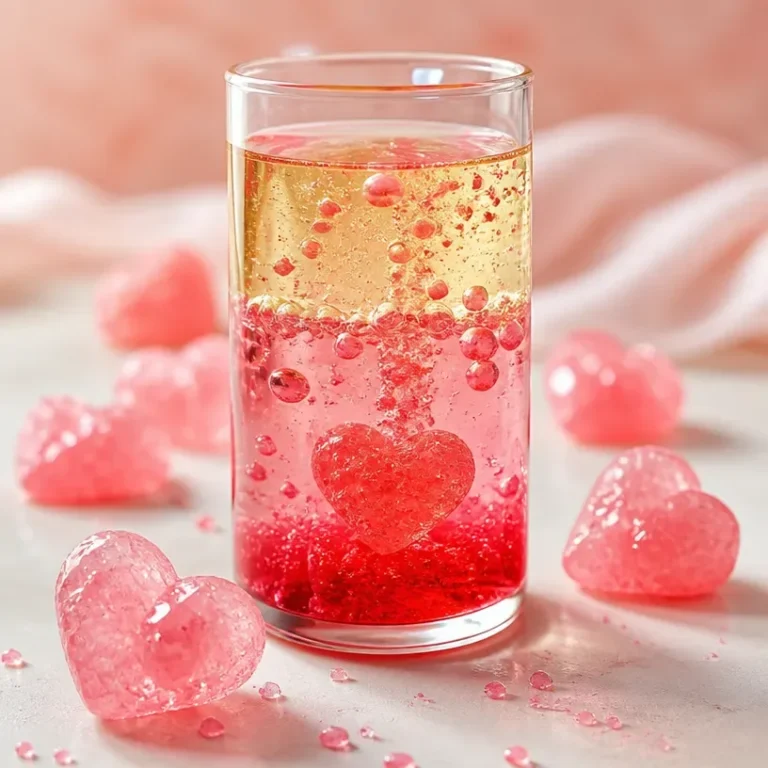
- Watch the layers settle and observe how they stay separate due to the different densities of the liquids.
Experiment Execution
- Break an Alka-Seltzer tablet into halves or quarters and drop one piece into the jar.
- Observe the bubbles and colored water blobs rising through the oil as a result of the chemical reaction.
- If fizzing slows, add another tablet piece for more action.
- When finished, pour the mixture into the trash and wash the jar with hot, soapy water.
Last Step: Don’t forget to leave a rating and comment below! It helps other readers find the best DIY projects — and it helps us too!
Tips & Notes:
Always supervise younger children to ensure safe handling of materials. Prepare materials ahead of time to ensure a smooth experiment. Use a brightly colored food dye for better visual effects.