

Colorful Science Meets Art: Experiments That Transform Simple Materials into Creative Masterpieces
Have you ever thought about how simple materials can create beautiful and colorful art? In this engaging and educational science activity, we will explore the intersection of art and science through a hands-on experiment that transforms everyday items into vibrant masterpieces. This activity is designed to spark curiosity and creativity in children, making it a perfect blend of STEM learning and artistic fun. You may also find Cloud In A Jar Easy Science Experiments For Kids useful.
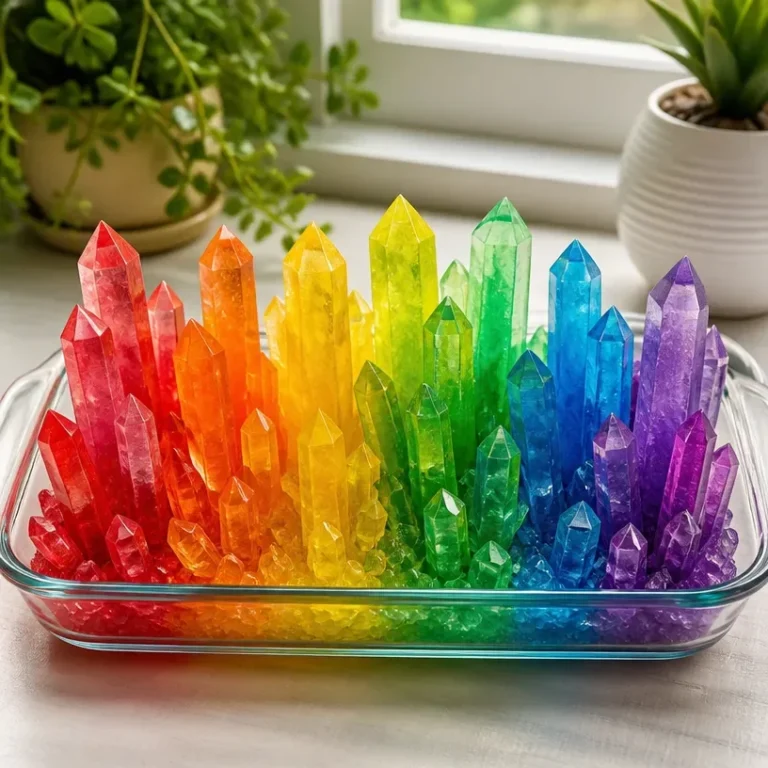
By delving into this experiment, children will not only engage in creative expression but also witness the fascinating principles of chemistry and color mixing in action. As they observe the changing colors, they will develop their observational skills and learn about scientific concepts all while having a blast creating their own art. You may also find Rainbow Crystal Garden Science Experiment Kids useful.
Why You’ll Love This Science Activity
- Fosters Creativity: This experiment allows kids to express themselves through art while learning scientific concepts.
- Easy to Execute: Utilizing common household materials makes this activity accessible and convenient.
- Educational: It introduces basic chemistry concepts, particularly color mixing and reactions.
- Visual Appeal: The vivid colors produced will captivate children’s attention and enhance their learning experience.
- Encourages Hands-On Learning: Kids gain practical experience, reinforcing their understanding of science through doing.

Materials You’ll Need
- Food coloring: This will provide the vibrant colors for your art.
- Water: Used as a medium to mix with food coloring.
- Coffee filters or paper towels: These will absorb the colored water, creating beautiful, unexpected patterns.
- Small cups: These can hold the water and food coloring mixtures.
- A tray or workspace: To manage spills and showcase the artwork.

How to Do Colorful Science Meets Art: Experiments That Transform Simple Materials into Creative Masterpieces
- Prepare the Space: Set up your workspace with a tray to catch any drips. Lay out all your materials.
- Mix the Colors: In small cups, mix water with different food coloring. Experiment with different ratios to see how the colors change.
- Soak the Filters: Dip a coffee filter or paper towel into the colored water. Let it absorb the liquid for a few seconds.
- Place on the Tray: Remove the soaked filter and lay it flat on the tray to dry. Observe how the colors spread and blend!
- Repeat with Variations: Continue to soak other pieces using different colors or combinations. Discuss what is happening with the colors as they mix.
What Happens During the Experiment?
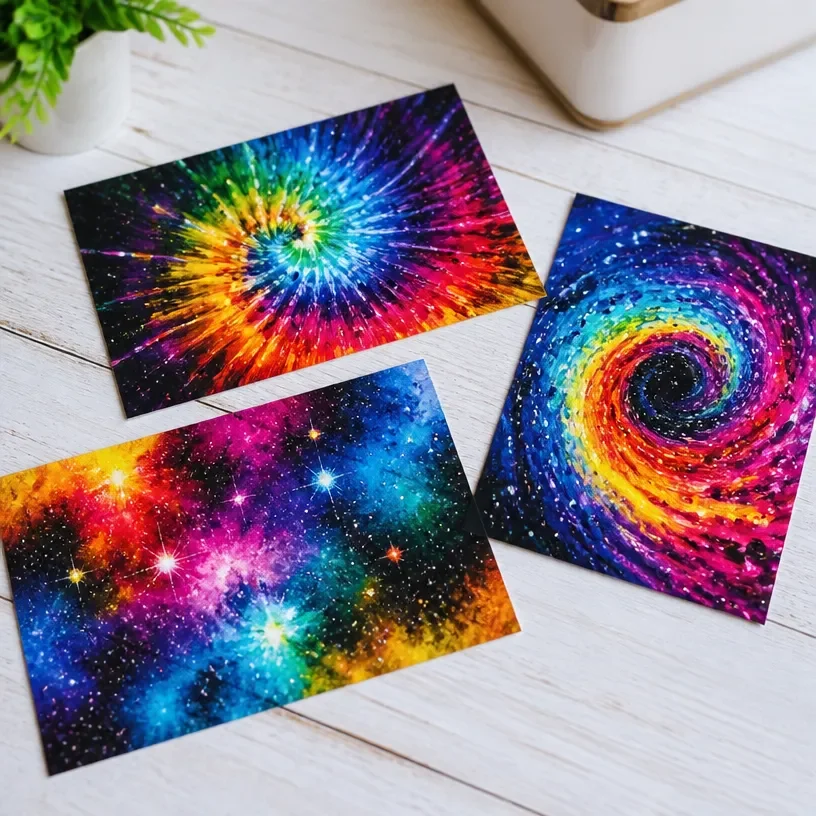
As the coffee filters or paper towels absorb the colored water, you’ll notice the vibrant colors spreading and mixing. The paper fibers draw the water through capillary action, causing the food coloring to separate and create beautiful patterns. Kids will enjoy watching how colors can merge and form new hues, sparking discussions about how colors interact.
How It Works: The Science Explained
This experiment showcases the principles of capillary action and color mixing. Capillary action occurs when liquid moves through tiny spaces in a material, such as the fibers of the coffee filter. As the water moves, the food coloring is transported along with it, allowing the colors to mix and spread. This physical change is a great opportunity to discuss how different colors combine to create new shades, laying the foundation for understanding color theory.
Helpful Tips
- Use more water: If you want a softer blending of colors, add more water to your mixtures.
- Supervise Young Children: Although the materials are safe, ensure kids are careful not to spill food coloring, as it can stain surfaces.
- Experiment with Patterns: Encourage children to create designs or patterns by soaking parts of the filters more than others.
- Drying Time: Allow sufficient drying time for the colors to set and become more vibrant before displaying the artwork.
Easy Experiment Variations
- Color Shades: Mix different amounts of food coloring to see how shades of a single color change.
- Layering: Once one layer is dried, add more colors on top to see how they interact without mixing completely.
- Different Papers: Test how different types of paper (e.g., cardstock vs. regular paper) absorb and display colors differently.
Doing This Experiment With Kids
This activity is suitable for children of various ages. However, some steps may require adult supervision. Make sure to keep materials organized, as spills can occur. It’s best to conduct this experiment in a space that can easily get messy, and ensure children wear aprons to protect their clothing.
What Kids Can Learn
Through this experiment, children can learn about the properties of liquids and how color mixing works. They gain real-world experience with scientific principles while developing their art skills. Ask open-ended questions such as, “What happens if we mix these two colors?” or “How does the structure of the paper affect the colors?”
Frequently Asked Questions
Can I use any type of paper?
- While coffee filters work best due to their absorbency, you can experiment with different types of paper to see varying results.
What if I want brighter colors?
- Adding more food coloring to your water mixture will enhance the vibrancy of your colors.
Is this experiment safe for young children?
- Yes, but adult supervision is recommended to manage spills and ensure safe handling of materials.
Can I save the art once it’s dry?
- Yes! Once completely dry, you can frame the artwork or use it to create greeting cards.
Will the colors remain vibrant after drying?
- They will continue to be vibrant, but exposure to sunlight may fade them over time.
Can I use this experiment to teach color theory?
- Absolutely! Discussing primary colors and how they combine to form secondary colors is a great addition to this activity.
Conclusion
Engaging in these colorful science experiments not only ignites children’s creativity but also lays the groundwork for understanding fundamental scientific concepts. If you’re looking for even more exciting science activities, check out what’s happening at the Children’s Museum Houston for inspiring ideas!
Explore more DIY science projects and hands-on STEM ideas.

Colorful Science Meets Art
Would you like to save this project?
By submitting you agree to receive this project and occasional emails. Unsubscribe anytime.
Materials
Materials for the Experiment
- 5 drops Food coloring Various colors to provide vibrant hues.
- 1 cup Water Used as a medium to mix with food coloring.
- 5 Coffee filters or paper towels These will absorb the colored water.
- 4 Small cups To hold the water and food coloring mixtures.
- 1 Tray or workspace To manage spills and showcase the artwork.
Directions
Preparation
- Set up your workspace with a tray to catch any drips. Lay out all your materials.
- In small cups, mix water with different food coloring. Experiment with different ratios to see how the colors change.
- Dip a coffee filter or paper towel into the colored water. Let it absorb the liquid for a few seconds.
- Remove the soaked filter and lay it flat on the tray to dry. Observe how the colors spread and blend!
- Continue to soak other pieces using different colors or combinations. Discuss what is happening with the colors as they mix.
Last Step: Don’t forget to leave a rating and comment below! It helps other readers find the best DIY projects — and it helps us too!